Unpacking Meaning: Logistics Services 101
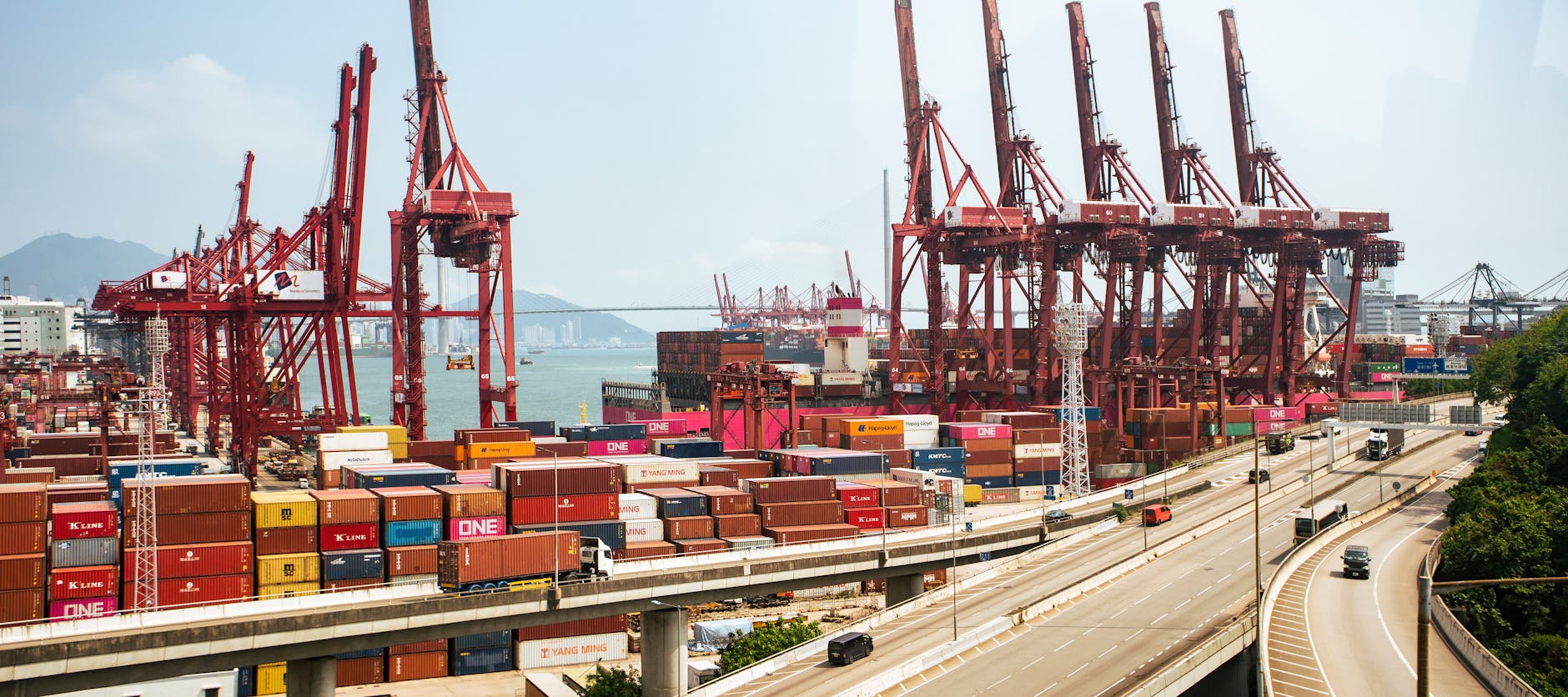
Understanding the fundamentals of logistics services is paramount for businesses seeking to optimize their supply chain operations. Logistics is the backbone of trade and commerce, ensuring that goods are stored, handled, and transported effectively from origin to consumer. In this guide, we delve into the essentials of logistics services, providing you with a blueprint for efficient shipping solutions.
The Role of Logistics Services
At the heart of logistics lies an intricate web of processes that sees products journey from manufacturers and suppliers to the end customer. Logistics services embody the planning, implementation, and control of these procedures to guarantee the efficient and effective forward and reverse flow of goods.
The Foundations of Logistics:
-
Warehousing: Safe storage of goods is a critical component of supply chain management. Warehouses are strategically positioned to facilitate easy access to transportation networks and minimize transit times.
-
Inventory Management: Keeping an accurate record of stock levels and location is essential. It prevents overstocking or stockouts, balancing the demand with the supply efficiently.
-
Transportation: The movement of goods across the globe relies on a mix of transportation modes, including air, sea, rail, and road. Logistics services manage these transport options to find the most cost-effective and timely solution for each situation.
-
Order Fulfillment: From the moment a customer places an order, logistics services spring into action to pick, pack, and ship products quickly. This forms the last-mile delivery, which is crucial for customer satisfaction.
-
Returns Management: Not every transaction ends with a satisfied customer. Efficient logistics services also encompass the handling of returned goods, restocking, recycling, or disposing of items as necessary.
Challenges in Logistics
In today's fast-paced, globalized economy, logistics services face several challenges:
-
Evolving Consumer Expectations: With the rise of e-commerce, customers demand quicker, more reliable delivery services. Meeting these expectations requires logistics to be more agile and responsive than ever.
-
Globalization: As businesses expand internationally, logistics services must navigate through diverse regulatory environments, different transportation infrastructures, and various cultural nuances.
-
Sustainability: There's increasing pressure on logistics providers to reduce their environmental footprint. Sustainable practices, such as using eco-friendly packaging and optimizing delivery routes, are being implemented by companies worldwide.
-
Technology Integration: The use of technology, like GPS tracking, RFID tags, and AI-driven logistics software, is becoming standard. These tools help companies to monitor shipments in real time and manage supply chains more efficiently.
Getting It Right: Implementing Efficient Shipping Solutions
Businesses aiming to enhance their logistics processes can follow these steps:
-
Partner with the Right Logistics Provider: Align with a logistics partner who understands your business needs and has the expertise to meet your specific requirements.
-
Embrace Technology: Implement cutting-edge logistics tools to gain visibility and control over your supply chain. Accurate data leads to better decision-making.
-
Optimize Last-Mile Delivery: Last-mile delivery is often the most complex and expensive leg of the shipping process. Optimize it through route planning, local distribution centers, and delivery notification systems.
-
Go Green: Adopt eco-friendly practices not only to contribute to a sustainable future but also to appeal to environmentally conscious consumers.
-
Continuously Review and Improve: The world of logistics is ever-evolving. Regularly assess your logistics performances and adapt to new trends and technologies.
Conclusion
Logistics services are indispensable in today's interconnected global marketplace. By understanding and implementing the basics of warehousing, inventory management, transportation, and order fulfillment, businesses can ensure a seamless supply chain. Keeping abreast of challenges like consumer expectations, international regulations, sustainability, and technological advancements will pave the way for successful logistics operations. Remember, efficient logistics services are not just about moving products; they're about delivering satisfaction to your customers and driving growth for your business.